
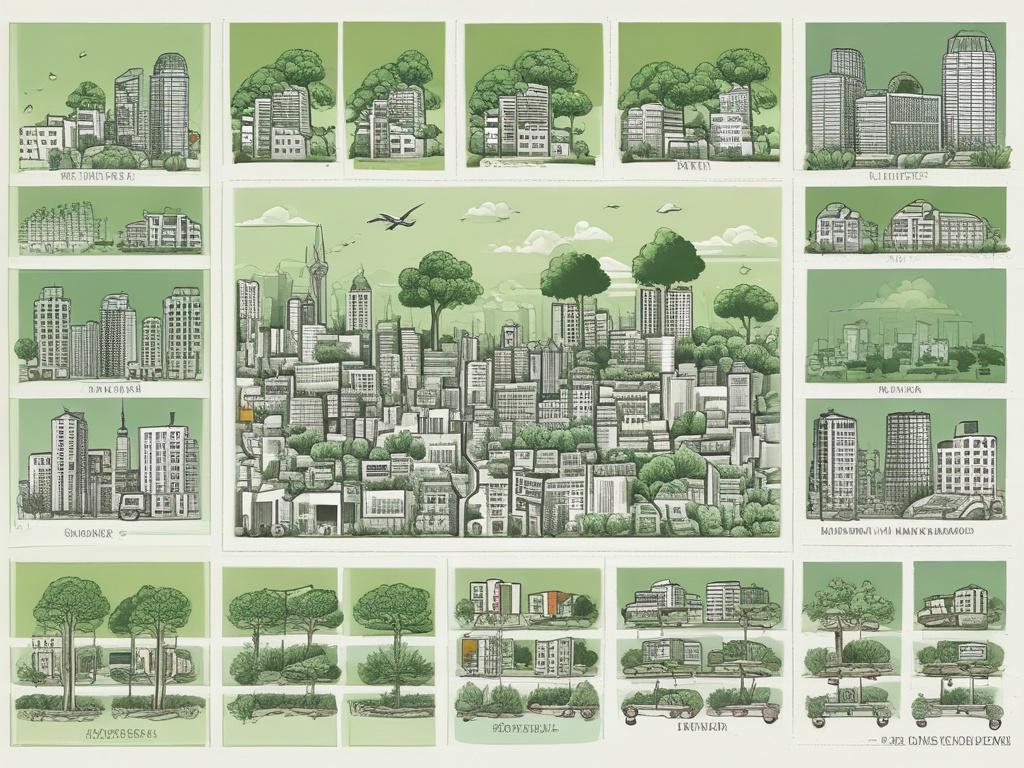
Urban renewal plays a pivotal role in shaping our cities and communities, breathing new life into areas that may have fallen into disrepair or undergone neglect. As urban populations swell, the need for revitalized spaces becomes increasingly critical. Understanding urban renewal involves recognizing its multifaceted impact on community growth, economic development, and social equity. This blog post will delve into the essential aspects of urban renewal, highlighting how thoughtful initiatives can transform neglected urban landscapes into thriving neighborhoods that cater to the needs of all residents.
In addition to fostering community growth, urban renewal significantly influences our environment. Eco-friendly initiatives are at the forefront of contemporary urban renewal projects, demonstrating how innovative approaches can simultaneously enhance our surroundings and foster sustainable living. As we explore these vital themes, discover how urban renewal shapes our communities and the environment, creating vibrant spaces where people can thrive and connect with nature. Join us as we examine the transformative power of urban renewal and its role in building a better future for our cities.
Understanding urban renewal and its impact on community growth
Urban renewal serves as a vital tool for revitalizing declining neighborhoods, enhancing the quality of life for residents, and promoting sustainable community growth. By focusing on the redevelopment of underutilized spaces, urban renewal projects often draw in new businesses and investment, which can provide job opportunities and stimulate local economies. As cities face challenges such as population growth, infrastructure decay, and increased demand for housing, urban renewal offers innovative solutions to address these issues. It fosters an environment where both existing and new residents can thrive.
Moreover, urban renewal plays a crucial role in strengthening community ties and encouraging civic engagement. By involving residents in the planning process, stakeholders can ensure that redevelopment meets the needs and desires of the people who live in the area. This participatory approach not only fosters a sense of ownership among community members but also promotes social cohesion. As communities become more vibrant and inclusive, urban renewal ultimately leads to enhanced public spaces, improved services, and a stronger sense of identity for neighborhoods, setting the stage for long-term growth and sustainability.
Eco-friendly initiatives: Discover how urban renewal shapes our environment
Urban renewal plays a crucial role in promoting eco-friendly initiatives that enhance our environment. By redeveloping underutilized spaces, cities reduce urban sprawl and utilize resources more efficiently. These projects often incorporate green infrastructure, such as parks, green roofs, and permeable pavements, which not only improve air quality but also manage stormwater effectively. As neighborhoods improve, a sense of environmental stewardship emerges, encouraging residents to engage in sustainable practices. Communities can thrive when agricultural practices, along with local food markets and green spaces, become prevalent through these initiatives.
Moreover, urban renewal projects often prioritize the use of sustainable materials and energy-efficient technologies. Developers increasingly adopt solar panels, energy-efficient building designs, and low-impact materials that minimize ecological footprints. In this way, urban renewal not only revitalizes neighborhoods but also mitigates the effects of climate change. By transforming neglected areas into green, functional spaces, urban renewal actively contributes to reducing carbon emissions and fostering a healthier living environment. Ultimately, these eco-friendly initiatives create a foundation for resilient communities, proving that urban renewal is essential for sustainable urban development.
Transforming neighborhoods: The role of urban renewal in fostering vibrant communities
Urban renewal plays a pivotal role in transforming neighborhoods by reinvigorating spaces that have often been overlooked or neglected. By investing in infrastructure, housing, and public amenities, urban renewal projects create environments that encourage community engagement and social interaction. These revitalized neighborhoods attract new residents and businesses, fostering a sense of belonging and pride among longtime inhabitants. As streets become safer and more inviting, local events and gatherings thrive, further strengthening community bonds and enhancing the livability of the area.
In addition to economic revitalization, urban renewal prioritizes cultural integration, showcasing the unique identity of each neighborhood. Developers and city planners often collaborate with local artists and residents to ensure that the character of a community is preserved while implementing modern conveniences. This blend of the old and the new provides spaces for creativity and innovation, creating vibrant hubs that reflect the diverse voices of their residents. Consequently, urban renewal shapes not only the physical landscape but also the social fabric, ultimately leading to enriched community experiences and resilience in the face of change.
