
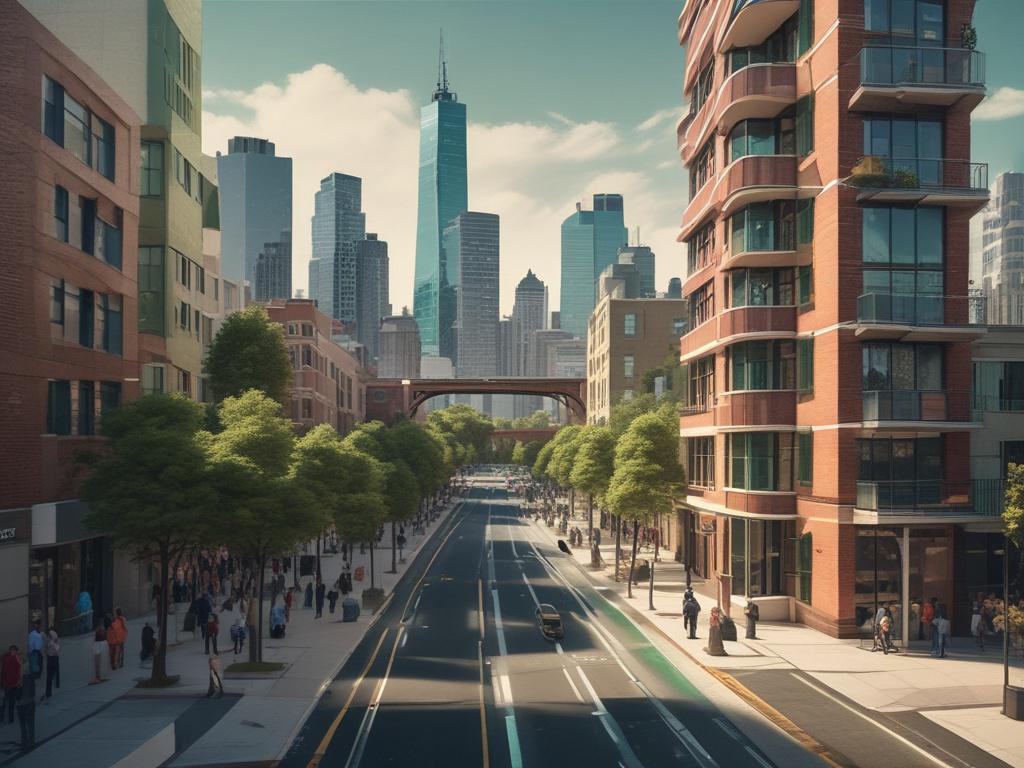
Urban renewal is a powerful force that reshapes our cities, breathing new life into neglected areas while addressing critical urban challenges. By exploring the foundational principles of urban renewal, we can better understand how these strategies influence city development and the overall quality of life for residents. This comprehensive guide delves into the multifaceted nature of urban renewal, illuminating the dynamic practices that are transforming urban landscapes and highlighting the principles that underpin successful revitalization efforts.
As we navigate through the complexities of urban renewal, we will discover innovative practices that not only revitalize spaces but also foster sustainability and inclusivity. Community engagement emerges as a vital component in this process, ensuring that the voices of residents are heard and incorporated into planning initiatives. Join us on this journey to explore how urban renewal is shaping our cities today and paving the way for smarter, more resilient urban futures.
Explore the foundational principles of urban renewal and their impact on city development
Urban renewal serves as a catalyst for revitalizing distressed neighborhoods and enhancing the overall quality of urban life. Its foundational principles revolve around improving infrastructure, increasing housing availability, and promoting economic development. By strategically investing in these areas, cities can reverse decades of decline and foster vibrant, sustainable communities. Urban renewal projects often prioritize the redevelopment of aging buildings and the creation of public spaces, which not only attract new residents and businesses but also strengthen the economic fabric of the area.
Moreover, urban renewal initiatives emphasize inclusivity and accessibility, ensuring that all community members benefit from improvements. By incorporating mixed-income housing and promoting public transportation, cities can create cohesive environments where people from diverse backgrounds coexist. As cities implement these fundamental principles, they not only address immediate concerns such as blight and underutilization but also pave the way for a resilient urban future. Ultimately, understanding these foundational aspects of urban renewal is crucial for grasping how they shape our cities and influence growth trajectories.
Discover innovative practices in urban renewal that are transforming our urban landscapes
Urban renewal has evolved significantly, embracing innovative practices that seek to revitalize underutilized spaces and enhance the quality of life for residents. One such practice is the adoption of sustainable design principles, which prioritize eco-friendly materials and energy-efficient technologies. Cities around the world are increasingly integrating green roofs, urban parks, and efficient public transport systems into their renewal plans, promoting environmental stewardship while simultaneously upgrading urban infrastructure. These practices not only reduce ecological footprints but also contribute to the aesthetic appeal of neighborhoods, attracting businesses and residents alike.
Another transformative practice in urban renewal is the adaptive reuse of existing structures. Instead of demolishing old buildings, urban planners are creatively repurposing these spaces for new uses, preserving the historical character of neighborhoods. This approach fosters economic growth while maintaining cultural heritage. Cities are also leveraging smart technology to enhance urban living, implementing smart lighting and waste management systems to improve efficiency and sustainability. Through these innovative initiatives, urban renewal is reshaping urban landscapes, creating vibrant, livable spaces that meet the needs of diverse communities.
Understand the role of community engagement in shaping successful urban renewal initiatives
Community engagement serves as a cornerstone in the success of urban renewal initiatives. When local residents partake in the planning and decision-making processes, they bring invaluable insights about their neighborhoods, helping to identify needs and priorities. By fostering open dialogues, city planners and community members collaborate to create spaces that reflect the desires and aspirations of those who live and work there. Engaging the community not only enhances project relevance but also fosters a sense of ownership, making it more likely for urban renewal projects to achieve long-lasting impact.
Furthermore, community engagement promotes transparency and trust between residents and urban planners. When individuals feel their voices are heard, they are more likely to support proposed changes, reducing resistance during implementation. Successful urban renewal initiatives often involve regular workshops, public meetings, and feedback sessions, ensuring that community input shapes every stage of the process. As a result, revitalized neighborhoods not only meet practical needs but also cultivate a stronger sense of community identity and belonging, ultimately leading to healthier, more vibrant urban environments.
