
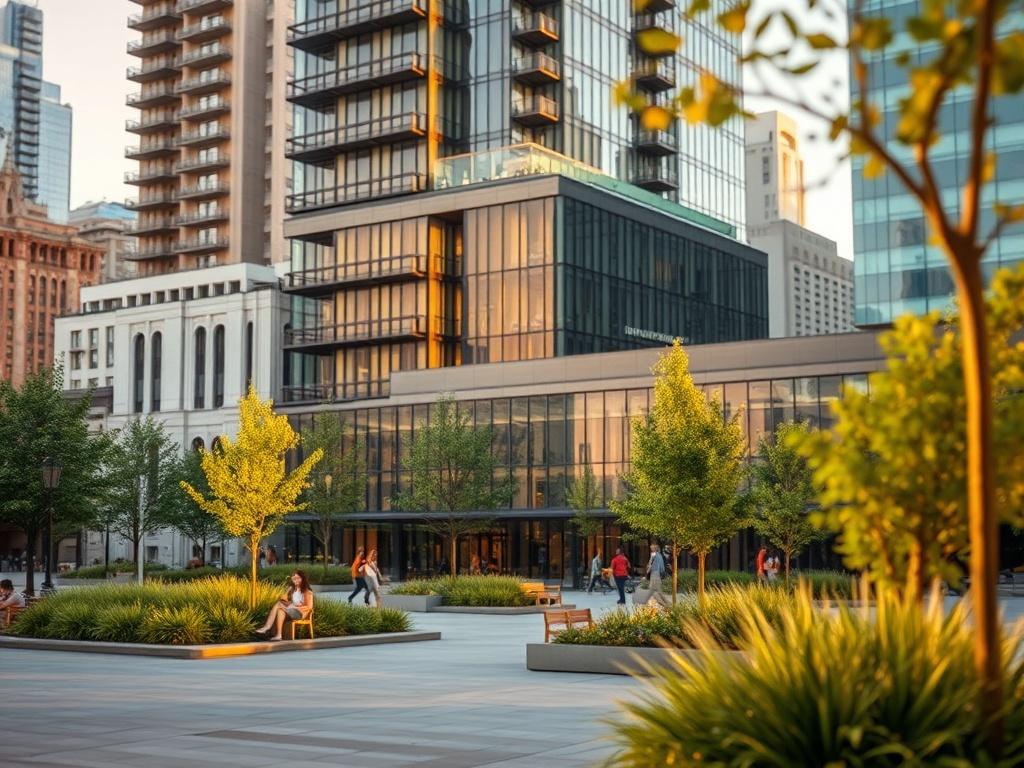
Urban renewal represents a dynamic field of study that delves into the transformative processes shaping urban landscapes. To truly appreciate this phenomenon, it is essential to explore the fundamental theories of urban renewal that underpin community revitalization efforts. By investigating these key concepts, readers will gain a clearer understanding of how cities evolve and adapt in response to social, economic, and environmental challenges. This blog post aims to provide a comprehensive overview of these theories, offering insights into their implications for urban development and community resilience.
Understanding the historical context of urban renewal is crucial for grasping its significance in contemporary society. As urban centers continue to grow and change, recognizing the evolution of urban development practices sheds light on the successes and failures of past initiatives. By examining practical applications of urban renewal theories, we can uncover the strategies that effectively transform communities for the future. Join us on this journey as we explore the intersection of theory and practice in the world of urban renewal, highlighting how these concepts can reshape our cities and enhance the quality of life for their residents.
Explore the fundamental theories of urban renewal: An introduction to key concepts
Urban renewal is a multifaceted discipline that encompasses various theoretical frameworks driving the revitalization of cities. At its core, it focuses on transforming neglected or underutilized urban spaces into vibrant, functional areas that foster community interaction and economic growth. Key concepts such as redevelopment, gentrification, and sustainability provide a foundation for understanding how urban areas can be rejuvenated. Through careful planning and strategic investment, urban renewal aims to improve living conditions, enhance property values, and restore a sense of place to neighborhoods facing decline.
To effectively explore the fundamental theories of urban renewal, it’s essential to recognize the role of stakeholders including government agencies, private developers, and community organizations. Each of these players contributes unique insights and resources that shape urban renewal strategies. For example, public policies informed by community feedback can lead to inclusive development projects that cater to the needs of diverse populations. This collaborative approach not only facilitates a deeper understanding of urban complexities but also fosters innovative solutions that empower communities and ensure that urban renewal efforts are sustainable and equitable for all residents.
The historical context of urban renewal: Understanding the evolution of urban development
Urban renewal first emerged in the mid-20th century as a response to the declining conditions in many cities across the United States and Europe. The post-World War II economic boom led to significant urban expansion, but it also resulted in increased poverty and deteriorating housing in inner-city areas. Policymakers and urban planners recognized the need for drastic measures to revitalize struggling neighborhoods. Federal initiatives, such as the Housing Act of 1949 in the U.S., marked the beginning of large-scale urban renewal projects aimed at eliminating blight through demolition and redevelopment. These government-led initiatives sought to reconstruct urban environments, providing new housing, infrastructure, and commercial opportunities, all while intending to improve the quality of life for residents.
However, the historical context of urban renewal also reflects various controversies and challenges. While some areas experienced positive transformations, many projects faced criticism for displacing long-standing communities, often disproportionately affecting low-income and minority populations. The top-down approach commonly employed in these projects frequently ignored the voices and needs of local residents, leading to a loss of community identity. By exploring the successes and failures of past urban renewal efforts, we gain valuable insights into the need for more inclusive and equitable approaches today. Understanding this evolution sets the stage for contemporary discussions on how to balance innovation with the preservation of community ties in the quest for sustainable urban development.
Practical applications of urban renewal theories: Transforming communities for the future
Urban renewal theories serve as blueprints for revitalizing and redeveloping underutilized urban spaces. Cities like Detroit and San Francisco exemplify successful applications of these theories, where comprehensive plans focus on enhancing public spaces, improving infrastructure, and increasing affordable housing. Local governments partner with community organizations and developers to ensure that projects reflect the needs of residents, fostering a sense of ownership and pride. By addressing issues such as blight, crime, and economic decline, urban renewal initiatives aim to create vibrant, inclusive neighborhoods that attract both businesses and families.
Moreover, the integration of sustainable practices into urban renewal projects embodies a forward-thinking approach to community development. Incorporating green spaces, renewable energy sources, and efficient public transportation systems lays the groundwork for environmentally responsible urban living. Cities like Copenhagen showcase how implementing urban renewal theories can lead to holistic improvements, enhancing residents' quality of life and reducing carbon footprints. By prioritizing sustainability, urban renewal not only transforms individual neighborhoods but also positions cities for long-term success in an era increasingly focused on environmental stewardship.
